
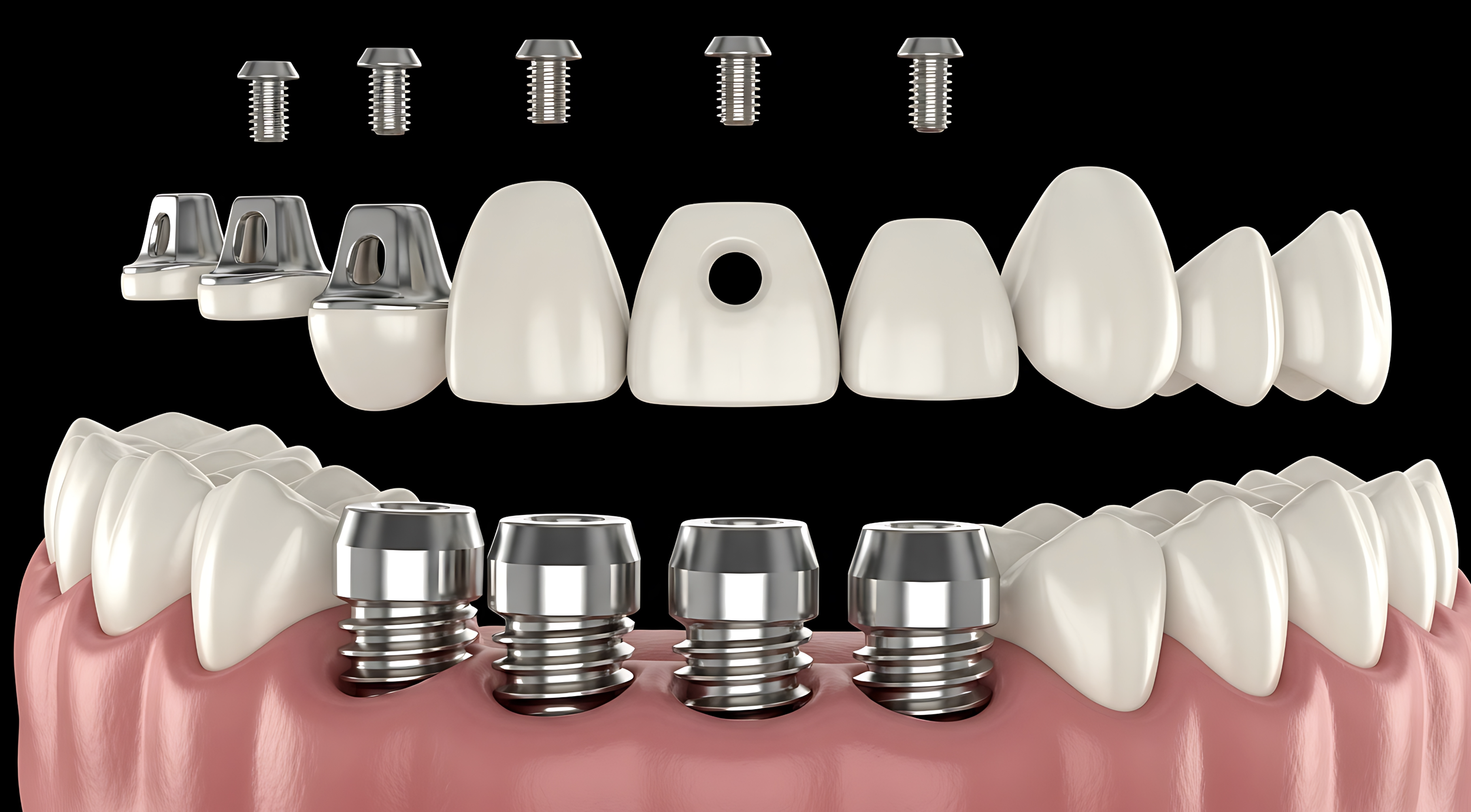
Full mouth reconstruction
When damage or tooth loss affects most of the mouth, a single procedure is rarely enough. Full-mouth reconstruction brings the necessary treatments together into one carefully sequenced plan. Depending on the patient’s needs, care may involve rebuilding the supporting bone, replacing missing teeth with dental implants, and coordinating additional restorative procedures. The goal is to establish a strong foundation, restore comfortable chewing, and create a smile that looks balanced and natural. Because every patient begins with a different level of bone support, tooth damage, and overall oral health, each treatment plan is developed individually.
What is full mouth reconstruction?
Full-mouth reconstruction addresses compromised or missing teeth throughout the upper and lower jaws through a comprehensive, carefully coordinated treatment plan. It is intended for patients whose needs extend beyond a single tooth or isolated area, including extensive tooth loss, widespread decay, advanced wear from grinding, traumatic injury, or changes in the bite caused by the gradual loss of dental support.
Treatment may involve extractions, bone grafting, and dental implant placement, with each phase thoughtfully sequenced to support the next. Our oral surgeon works closely with the patient’s general or restorative dentist, who designs and completes the final restorations. This collaboration helps ensure that implant placement supports the planned teeth, bite, and overall restorative outcome.
The primary objective is to restore lasting function: comfortable chewing, a stable bite, and dependable support. A natural, balanced appearance follows from rebuilding the underlying structure correctly.
With degrees in dentistry and medicine, as well as advanced training in oral and maxillofacial surgery, Dr. Wu brings a comprehensive perspective to each patient’s care. From bone grafting and dental implant placement to coordination with the restorative dentist, every phase is carefully planned to support long-term function, stability, and natural-looking results.
-
01
Full evaluation and imaging
A CBCT scan, a look at every tooth still in place, and your medical and dental history. Dr. Wu maps what is salvageable, what is not, and what the bone underneath will support before anything is decided.
-
02
Extractions, grafting and stabilization
The foundation comes first. Failing teeth come out, thin bone is grafted, and the sites are given time to heal. This stage is often the longest, and the schedule is built around biology rather than convenience.
-
03
Implant placement and restorative prep
Once the base is solid, implants go in, planned digitally so each one lands where the final tooth needs it. Where restorations will be carried by natural teeth, those are prepared in the same phase.
-
04
Final restorations and bite adjustment
Crowns, bridges or full arches go on once everything has integrated. The last step is adjusting the bite so the force is spread evenly, which is what determines whether the work lasts.


FAQ's
How long does full mouth reconstruction take?
1
Timelines vary by case, but most reconstructions span several months to over a year. Bone grafts need time to heal, and implants need time to integrate before final restorations go on. Dr. Wu maps out a timeline specific to your treatment plan at your consultation.
Is full mouth reconstruction covered by insurance?
2
Coverage depends on your plan and the procedures involved. Medically necessary treatments like extractions or bone grafting are more likely to be covered than the cosmetic phase. Our team can walk you through your benefits and financing options before treatment begins.
Will I be in pain during recovery?
3
Some discomfort is normal after surgical phases like extractions, grafting, or implant placement, and it's managed with medication and aftercare instructions. Because each phase heals before the next begins, you're never recovering from everything at once.
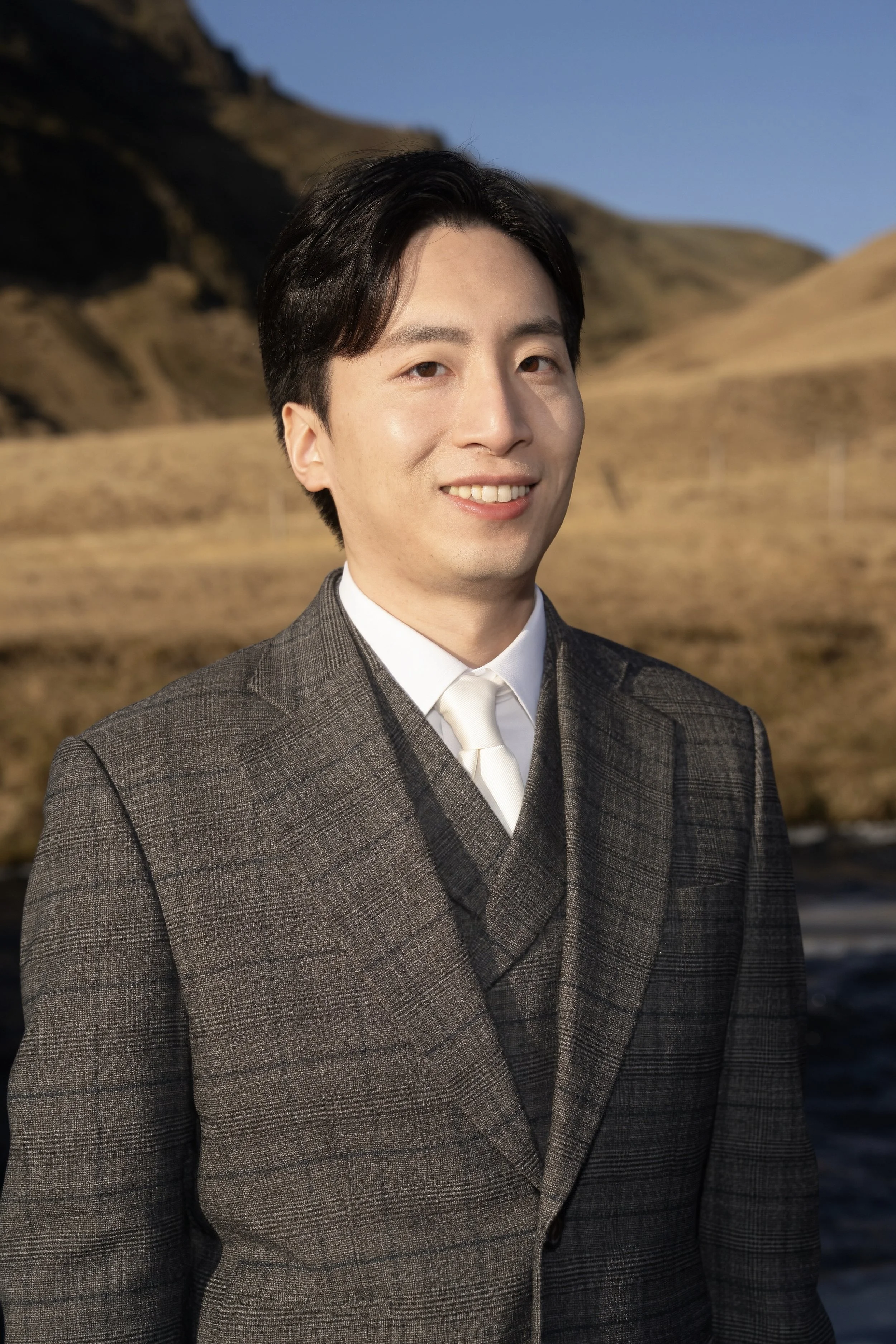
Advanced Training in Dentistry and Medicine
Dr. Wu earned his dental degree from Harvard, his medical degree from NYU Grossman School of Medicine, and a master's degree in immunology from Harvard Medical School. His extensive training in both dentistry and medicine provides a comprehensive foundation for implant surgery, bone grafting, anesthesia, and the management of complex surgical cases.