
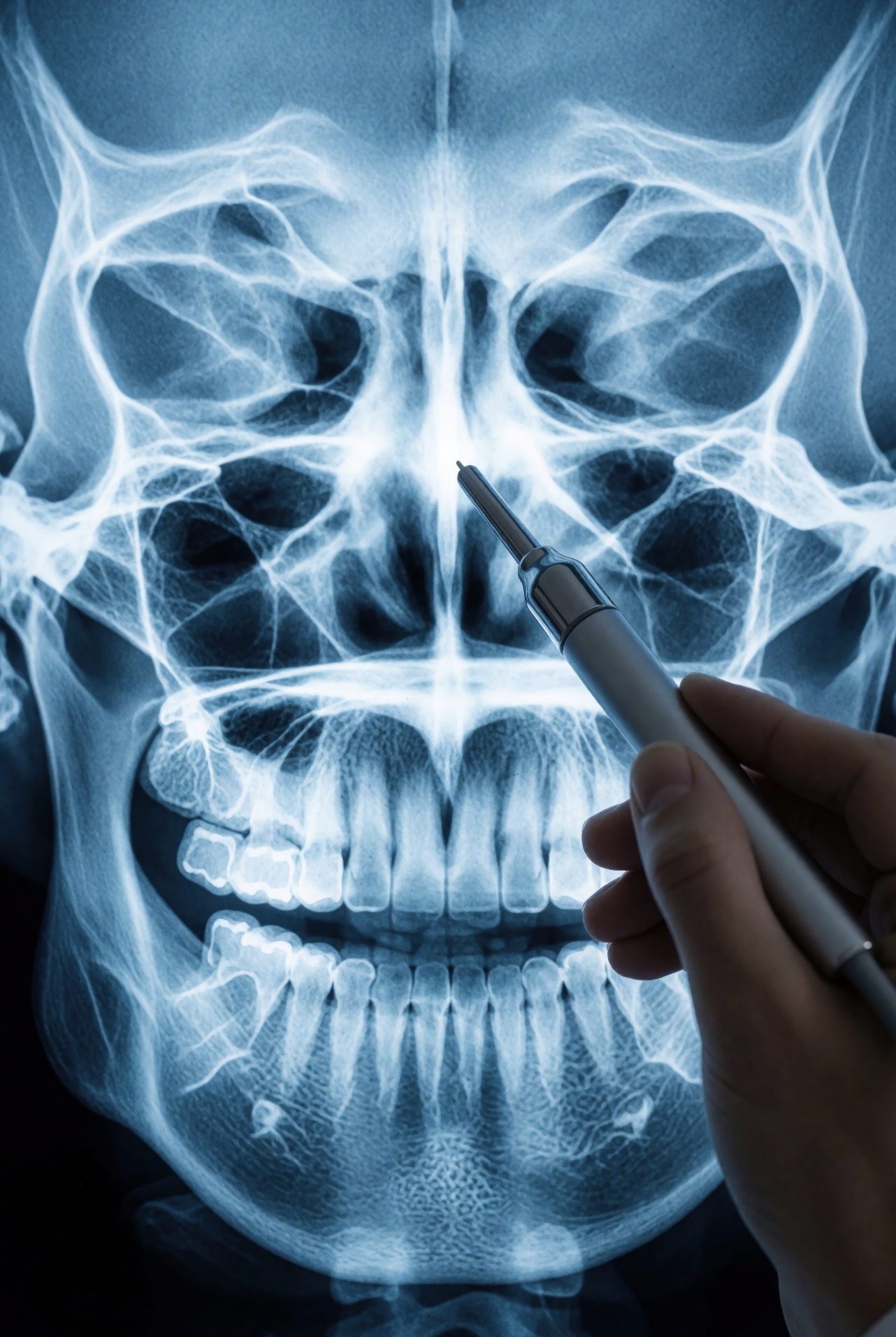
Facial trauma
Injuries to the face heal on their own schedule, and not always in the right position. Bone that sets slightly off changes the bite, the jaw joint, and the line of the face, permanently. Getting it assessed properly is what keeps a bad few weeks from becoming a long-term problem.
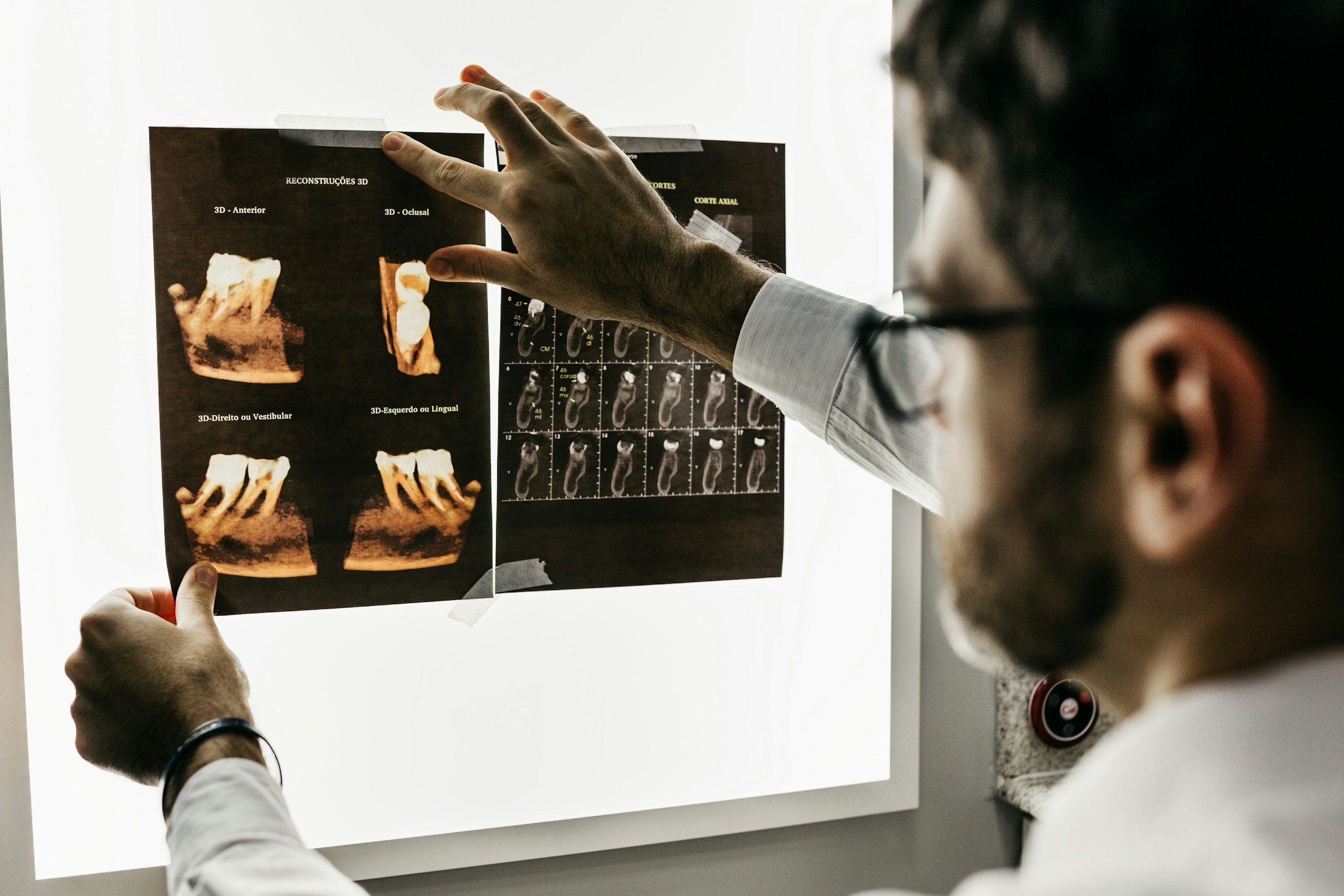
What is facial trauma treatment?
Oral and maxillofacial surgeons are the specialists trained to treat injuries to the jaws, mouth, cheekbones, eye sockets and surrounding soft tissue. The work spans a knocked-out tooth or a lip laceration at one end, and fractures of the jaw or facial bones at the other. Common causes are car accidents, falls, sports, work injuries and assaults.
Treatment depends entirely on what was damaged. Some injuries need sutures or a re-implanted tooth. Fractures need the bone repositioned and fixed so it heals where it should. Left untreated or set badly, facial injuries lead to a misaligned bite, jaw joint problems, bone loss, and changes to the shape of the face that are much harder to correct later than to prevent now.
Dr. Brendan Wu holds degrees in both dentistry and medicine, and trained at Harvard and NYU Grossman. Facial trauma is the part of oral and maxillofacial surgery where that dual training matters most, because these injuries rarely involve teeth alone.
-
01
Assessment and imaging
A 3D scan shows exactly which bones are involved and how the fragments are sitting. That determines whether an injury needs surgery or careful monitoring, and it is also the baseline everything afterward is measured against.
-
02
Planning the repair
Some injuries are treated in the office. Others need an operating room. Dr. Wu will tell you which yours is, what the repair involves, and what the recovery looks like before anything is scheduled.
-
03
Surgery
Soft tissue is repaired to minimize scarring. Fractured bone is repositioned and held with fixation so it heals in the correct alignment. Missing or lost teeth are addressed in the same plan rather than treated as a separate problem later.
-
04
Follow-up and recovery
Healing is monitored with repeat imaging, because bone alignment can shift in the early weeks. Where the injury has left bone loss or missing teeth, grafting and implants come afterward as a second phase.


FAQ's
What are the signs I may have a facial fracture?
1
Pain that gets worse with movement, swelling, numbness, a change in your bite, or teeth that suddenly feel loose or out of place. Bruising around the eyes or trouble opening your mouth fully are also common signs. If you notice any of these after an injury, get it evaluated.
Should I go to the ER first, or come straight to your office?
2
For a life-threatening injury, always go to the ER first. Once you're stable, an ER doctor can refer you to Dr. Wu for the facial and jaw component of your care, or you can call our office directly if the injury seems limited to your mouth or jaw.
How long does recovery take?
3
It depends on what's broken and how it's repaired. Simple injuries can heal in a few weeks. Fractures that need plates and screws often take six weeks or more, with follow-up imaging along the way to confirm everything is healing where it should.

Advanced Training in Dentistry and Medicine
Dr. Wu earned his dental degree from Harvard, his medical degree from NYU Grossman School of Medicine, and a master's degree in immunology from Harvard Medical School. His extensive training in both dentistry and medicine provides a comprehensive foundation for implant surgery, bone grafting, anesthesia, and the management of complex surgical cases.