
Sedation
Few patients arrive for oral surgery feeling completely relaxed. Sedation can help reduce anxiety and improve comfort, with the appropriate level determined by the procedure, your overall health, and your individual preferences.
What is sedation?
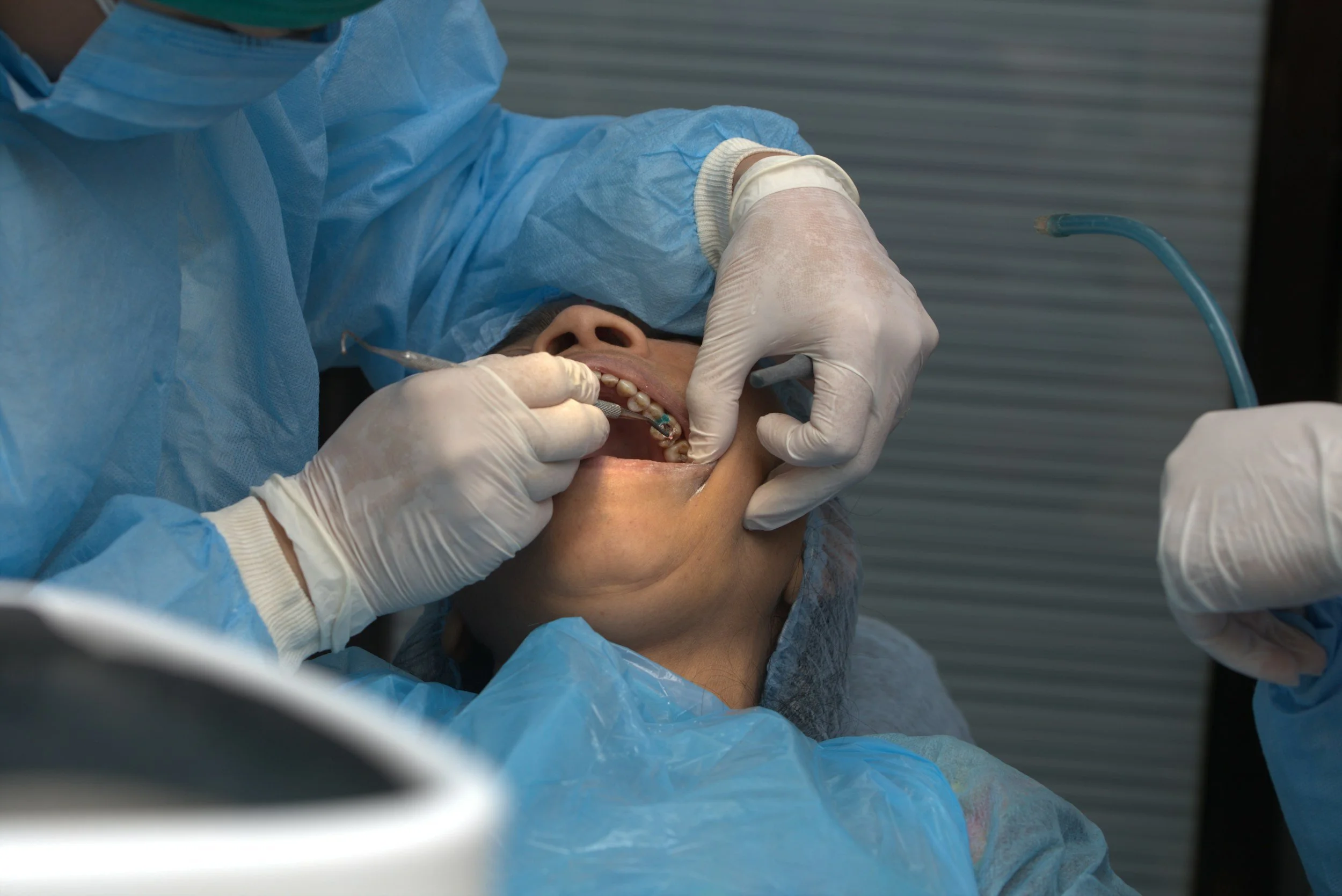
Comfort options for oral surgery range from local anesthesia, which numbs the treatment area, to sedation and general anesthesia. The appropriate option depends on the procedure, your medical history, current medications, level of anxiety, and personal preferences.
Local anesthesia. The treatment area is completely numbed while you remain awake and alert. Local anesthesia may be sufficient for many routine extractions and single-implant procedures. Because it does not cause sedation, patients can generally drive themselves home unless instructed otherwise.
Nitrous oxide. Nitrous oxide is inhaled through a small mask to help you feel calmer and more relaxed while remaining conscious. Its effects typically wear off within several minutes after the mask is removed.
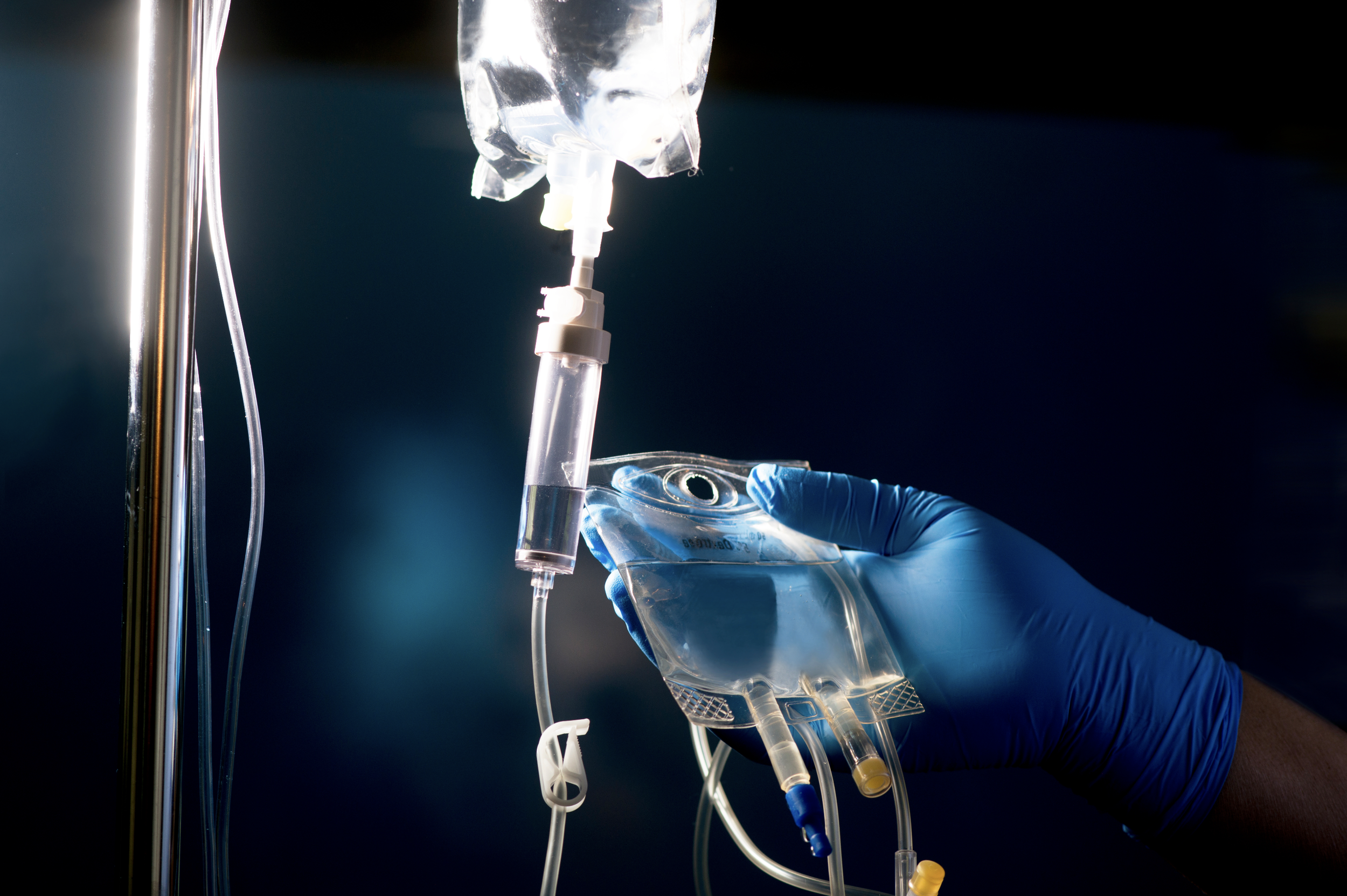
IV sedation. Medication is administered through a vein, allowing the level of sedation to be adjusted throughout the procedure. You will be closely monitored, and many patients have little or no memory of the procedure. A responsible adult must drive you home and remain with you afterward as directed.
General anesthesia. General anesthesia places you in a fully unconscious state and may be recommended for longer, more complex procedures or certain medical and surgical needs. A responsible adult must accompany you home after treatment.
Dr. Wu will review these options with you during your consultation and recommend the safest, most appropriate approach before your procedure is scheduled.
-
01
Health review
Before sedation is agreed, Dr. Wu goes through your medical history, current medications, allergies, and any previous experience with anesthesia. Some conditions change which option is appropriate, and that is worth knowing early rather than on the day.
-
02
Preparation
You get written instructions about when to stop eating and drinking, what to take and what to skip, and what to arrange. If you are being sedated, someone needs to drive you and stay with you afterward.
-
03
During
Vital signs are monitored throughout. [Specify monitoring equipment and who is monitoring.] You are checked continuously rather than intermittently, and the level is adjusted as the procedure goes.
-
04
Recovery
You stay here until you are properly alert and cleared to leave. Post-operative instructions are given to the person taking you home as well as to you, because most people do not retain much straight after sedation.


FAQ's
Is sedation covered by insurance?
1
It depends on your plan and whether sedation is deemed medically necessary for your procedure. Some dental plans cover it for specific cases, and medical insurance can apply too. Our team can help you sort out what applies before your appointment.
Is sedation safe?
2
Yes, when it's matched to your health history and monitored properly, which is exactly what the health review and continuous monitoring during your procedure are for. Dr. Wu selects the lightest option that will keep you comfortable rather than defaulting to the deepest one.
What if I'm anxious about the idea of sedation itself, not just the procedure?
3
That's common, and worth mentioning at your consultation. Dr. Wu can walk you through exactly what each option feels like, and nitrous oxide or a mild oral sedative can take the edge off even for procedures that don't strictly require it.

Advanced Training in Dentistry and Medicine
Dr. Wu earned his dental degree from Harvard, his medical degree from NYU Grossman School of Medicine, and a master's degree in immunology from Harvard Medical School. His extensive training in both dentistry and medicine provides a comprehensive foundation for implant surgery, bone grafting, anesthesia, and the management of complex surgical cases.