
Wisdom teeth
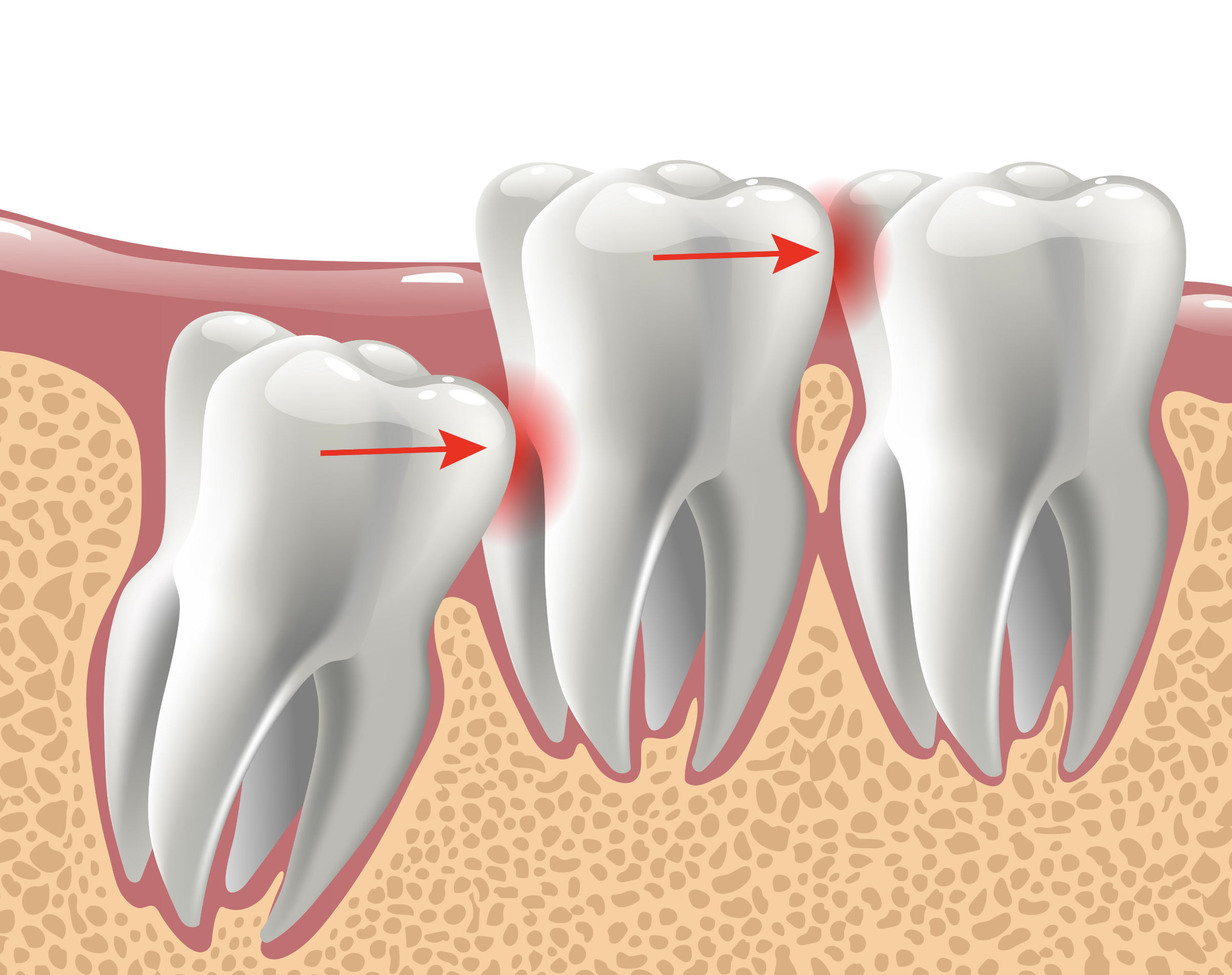
Wisdom teeth are the last teeth to develop, and there is often not enough room for them to grow in properly. They may remain partially or fully beneath the gums or grow at an angle toward nearby teeth. When removal is necessary, treating them earlier can make the procedure and recovery easier.
What is wisdom teeth removal?
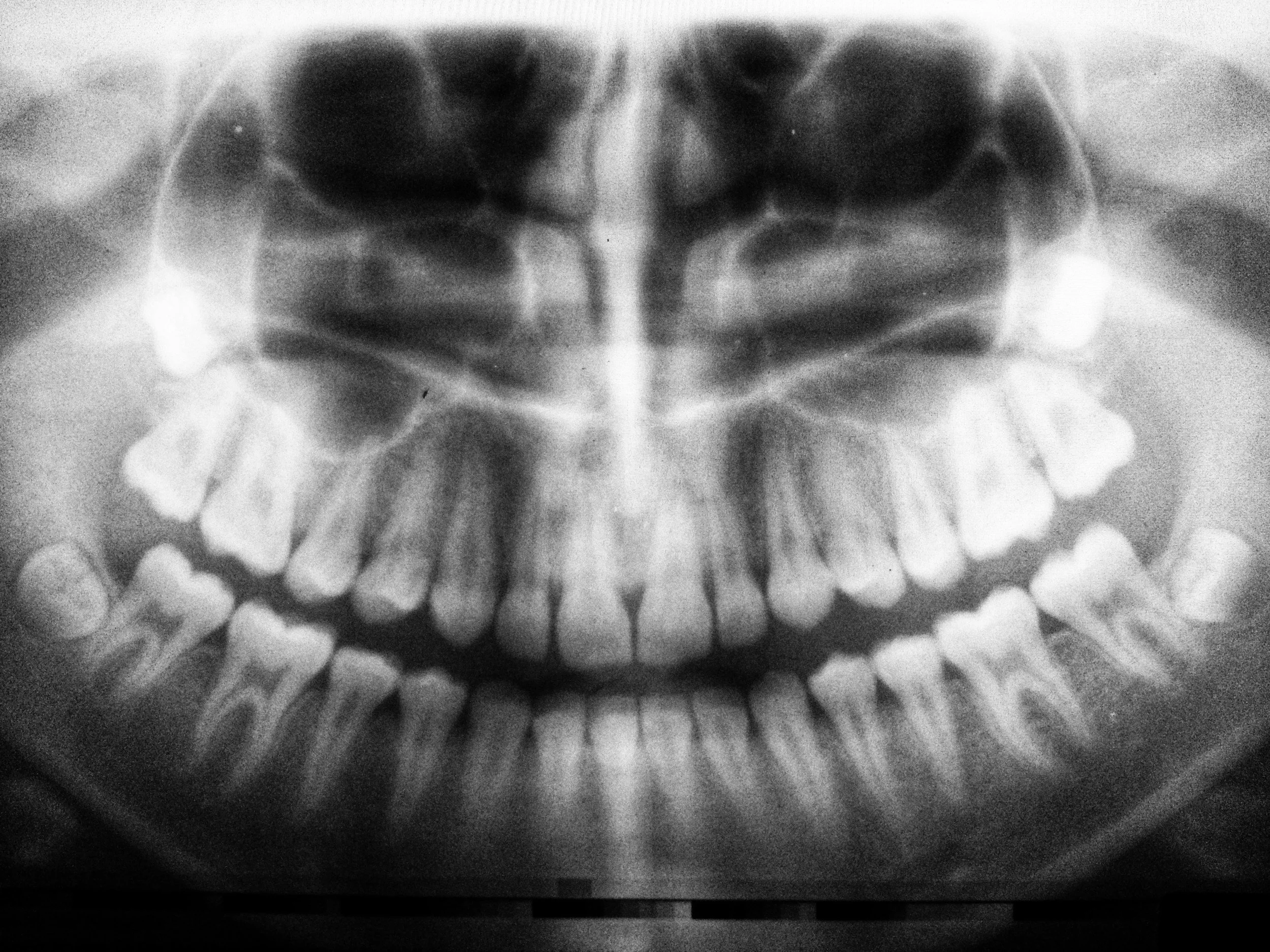
Wisdom teeth are the third and final molars, typically developing during the late teens or early twenties. Because they form at the very back of the jaw beneath the gums, they are often first discovered on a dental X-ray. By that time, the other 28 adult teeth are usually already in place, leaving limited room for four additional molars to emerge and align properly. When space is insufficient, wisdom teeth may remain beneath the gum or bone, grow toward a neighboring tooth, or emerge only partially. Removal may be necessary if they cause pain, infection, decay, gum problems, or damage to the tooth in front of them.
Dr. Brendan Wu is a Harvard-trained oral and maxillofacial surgeon, and third molar removal is among the most common procedures he performs. Book a consultation.
-
01
Consultation and imaging
A 3D scan shows where each tooth sits and how close the roots are to the nerve below. Dr. Wu goes through it with you, including whether any are worth leaving alone.
-
02
Timing and anesthesia
Earlier is easier, since roots are still forming in the mid to late teens. It is routinely done later, it just takes longer to do and to heal from.
-
03
Surgery
Erupted teeth come out with forceps. Impacted ones need a small incision and dissolvable sutures. [Most patients are under IV sedation and remember none of it.]
-
04
Recovery
You rest here until the anesthesia clears, then a prearranged driver takes you home. Swelling peaks around day three. Most people are back to normal within a few days.


FAQ's
At what age should wisdom teeth be removed?
1
Most people have their wisdom teeth evaluated in their late teens or early twenties, before the roots fully develop. Removing them earlier usually means a simpler procedure and an easier recovery. Dr. Wu can tell you whether now is the right time after reviewing your X-ray.
What does recovery look like?
2
Most patients feel back to normal within a few days to a week. Swelling and soreness are common early on and improve with rest, ice, and the aftercare instructions Dr. Wu provides.
Will I be asleep for the procedure?
3
As an oral and maxillofacial surgeon, Dr. Wu is trained in the full range of anesthesia, from local anesthesia to IV sedation to general anesthesia. He'll recommend the right option for you based on your case and comfort level at your consultation.

Advanced Training in Dentistry and Medicine
Dr. Wu earned his dental degree from Harvard, his medical degree from NYU Grossman School of Medicine, and a master's degree in immunology from Harvard Medical School. His extensive training in both dentistry and medicine provides a comprehensive foundation for implant surgery, bone grafting, anesthesia, and the management of complex surgical cases.